















Mastering Mixology: The Science Behind the Perfect Cocktail
- L. H.
- A Sip of Knowledge Blog
- 17 Aug 2023

Behind the curtain of every well-crafted cocktail lies an intricate dance of ingredients, proportions, and techniques – a symphony of flavours that comes together in a single glass. While the world of mixology might seem like pure artistry, it's also deeply rooted in science. Join us as we unravel the secrets of the perfect cocktail and delve into the scientific principles that elevate mixology to a fascinating blend of creativity and precision.
Balance and Harmony: The Science of Flavour
At the heart of mixology is the art of balancing flavours. Just like a painter blends colours to create the perfect palette, a mixologist combines various elements to achieve a harmonious taste profile. This balancing act is rooted in the science of taste – the interplay of sweet, sour, bitter, salty, and umami sensations on our palate. By understanding the interactions between these taste elements, mixologists can create cocktails that tantalize and intrigue the senses.
The Role of Dilution and Temperature
Ever wonder why some cocktails are shaken while others are stirred? The answer lies in the delicate relationship between dilution and temperature. Shaking a cocktail introduces ice-cold water into the mix, diluting the drink and lowering its temperature. This process can mellow out strong flavours and create a smoother mouthfeel. Stirring, on the other hand, minimizes dilution, making it ideal for spirits-forward cocktails like the classic Martini. Temperature also plays a role in perception – colder temperatures can suppress certain flavours, while warmer temperatures enhance aromas.
The Magic of Emulsification
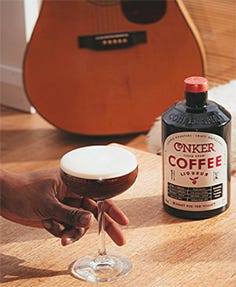
Certain cocktails call for ingredients that don't naturally mix well, like oil and water. Here's where science steps in with emulsification. Classic examples are cocktails that use egg whites to create a velvety texture, like the Whiskey Sour or Ramos Gin Fizz. When shaken vigorously, the proteins in the egg whites unfold and bond, creating a stable foam. The result is not only visually appealing but also alters the drink's texture and mouthfeel.
Molecular Mixology and Culinary Techniques
The boundaries of mixology continue to expand with the infusion of culinary techniques. Molecular mixology takes inspiration from molecular gastronomy, incorporating tools like liquid nitrogen, agar-agar, and sous-vide cooking to create innovative cocktails. Spherification turns liquids into delicate orbs that burst with flavour, while smoke infusion adds an unexpected layer of complexity. These techniques blend the science of food chemistry with the art of mixology, pushing the boundaries of what's possible in a glass.
Precision in Measurement
Just as a scientist measures and weighs substances with precision, a mixologist relies on accurate measurements to ensure consistent and well-balanced cocktails. A slight variation in the amount of an ingredient can significantly alter the final taste. Jiggers graduated cylinders, and even kitchen scales become essential tools in the pursuit of cocktail perfection.
Crafting Your Cocktail Symphony
As you embark on your journey through the world of mixology, remember that every shake, stir, and pour is influenced by scientific principles. Experiment with flavours, ratios, and techniques to uncover the alchemical magic of turning disparate ingredients into liquid harmony. By embracing both the art and science of mixology, you're not just crafting drinks – you're orchestrating a symphony of taste and sensation that delights the senses and leaves an unforgettable impression. So, raise your glass to the scientific secrets behind your favourite libations and the endless possibilities they offer. Cheers to the perfect cocktail – a masterpiece of both creativity and science!
More posts to enjoy

- L. H.
- 19 Jan 2026

- L. H.
- 25 Sept 2025

- L. H.
- 17 Sept 2025

- L. H.
- 24 Sept 2024

- L. H.
- 9 Jul 2024

- L. H.
- 17 Jun 2024